Modern interior design is constantly evolving, reflecting changes in lifestyle, technology, and personal values. Homes are no longer static spaces — they adapt to work, rest, creativity, and social life. One of the key ideas behind today’s interiors is flexibility, and concepts like
space zoning with wall panels, lighting, color, and furniture placement are often mentioned as part of a broader movement toward smarter, more functional living environments.
At the heart of current design trends is the desire to create interiors that feel calm, intentional, and personal. Instead of following strict rules, modern design focuses on balance: between aesthetics and comfort, openness and privacy, minimalism and warmth.
Open Layouts with Visual Structure
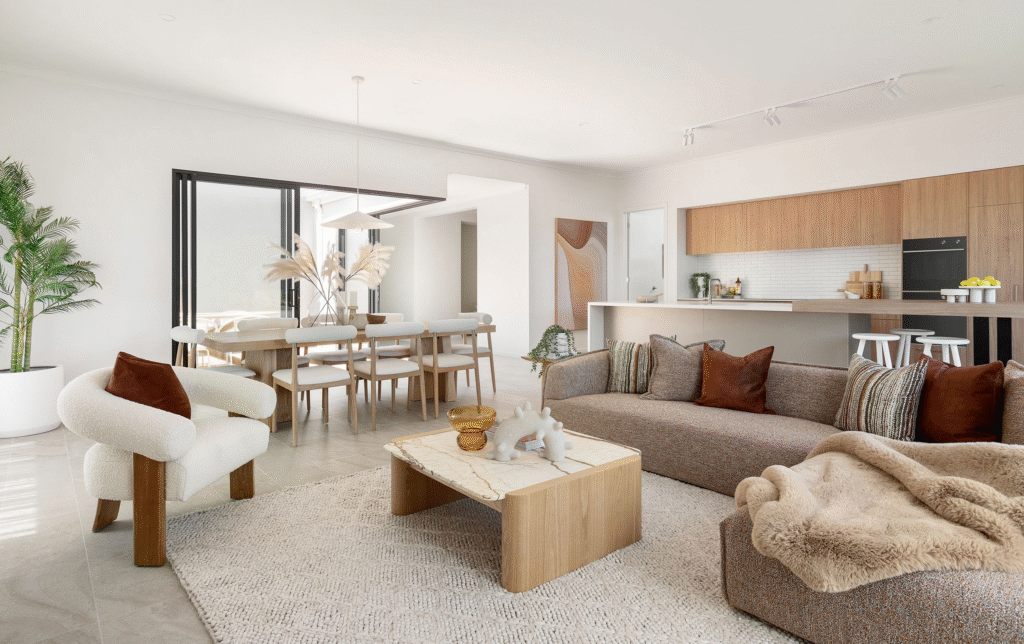
Open-plan living remains one of the strongest interior trends, especially in urban homes and apartments. However, designers are moving away from completely undefined spaces. Instead, visual structure is added through layout planning, material changes, and subtle design cues.
Rather than building walls, designers use contrast — between textures, colors, ceiling heights, or lighting — to guide how a space is perceived. This approach keeps interiors open and bright while making them easier to navigate and live in on a daily basis.
Natural Materials and Soft Textures
Another major trend in modern interiors is the return to natural materials, expressed through the approach of sensory design. Wood, stone, linen, clay, and wool are widely used to bring warmth and authenticity into spaces. Even when materials are engineered or decorative, they often mimic natural textures and finishes, creating environments that engage touch, sight, and atmosphere to shape how people feel and live in a room.This shift reflects a growing desire for comfort and connection to nature. Smooth, glossy surfaces are gradually giving way to matte finishes and tactile elements that make interiors feel more grounded and human.
Calm Color Palettes with Character
Color trends in interior design have moved toward calmer, more timeless palettes. Neutral tones such as beige, sand, warm grey, and soft white dominate modern interiors. These colors create a serene backdrop that allows furniture, art, and personal objects to stand out.
At the same time, designers are introducing character through muted accent colors — olive green, terracotta, deep blue, and charcoal. These tones add depth without overwhelming the space, making interiors feel sophisticated rather than trendy.
Multifunctional Furniture and Smart Layouts
As living spaces become more compact and multifunctional, furniture design plays a crucial role. Modern interiors favor pieces that serve more than one purpose: sofas with storage, extendable tables, modular shelving, and flexible seating.
This trend is closely tied to lifestyle changes. Homes now often function as offices, gyms, and creative studios. Interior design responds by prioritizing adaptability and ease of transformation without sacrificing visual harmony.
Minimalism with a Warmer Approach
Minimalism is still influential, but its expression has softened. Today’s minimal interiors are less about emptiness and more about clarity. Clean lines, uncluttered surfaces, and thoughtful spacing remain important, but they are combined with warmth and personality.
Instead of stark white rooms, modern minimalism embraces texture, subtle contrast, and curated details. The focus is on quality over quantity, creating spaces that feel peaceful rather than cold.
Lighting as a Design Statement
Lighting has become a central element of interior design rather than a purely functional feature. Layered lighting — combining ambient, task, and accent sources — is now standard in modern homes.
Statement light fixtures, sculptural lamps, and indirect lighting add atmosphere and define how a space feels at different times of day. Good lighting design enhances materials, highlights architectural features, and supports zoning within open interiors.
Personalization and Individual Style
One of the strongest trends shaping modern interiors is personalization. Instead of copying showroom designs, homeowners increasingly want spaces that reflect their identity and lifestyle. Art, vintage pieces, handmade objects, and meaningful decor are used to tell a personal story.
This movement away from uniform interiors allows for more creative freedom. Modern design is no longer about perfection, but about authenticity and comfort.
Sustainability and Conscious Choices
Sustainability continues to influence interior trends. Designers and homeowners are paying more attention to durability, sourcing, and long-term value. Timeless design, quality craftsmanship, and versatile layouts are preferred over fast-changing trends.
Choosing materials and solutions that age well is seen not only as an environmental choice but also as a practical one. A well-designed interior should remain relevant for years, adapting to changing needs without constant renovation.
The Direction of Modern Interiors
Overall, modern interior design is moving toward balance. Spaces are open yet defined, minimal yet warm, functional yet expressive. Trends focus less on decoration alone and more on how interiors support everyday life.
As lifestyles continue to evolve, interior design will remain flexible and thoughtful, prioritizing comfort, individuality, and intelligent use of space — all while maintaining a refined and modern aesthetic.