

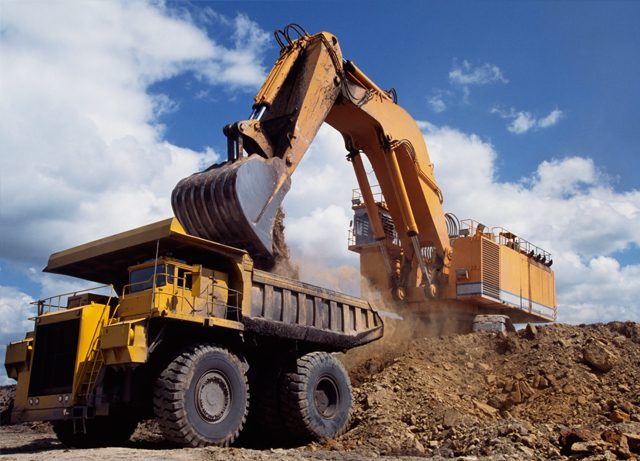



Diesel gets a lot of heat right now. The conversation around electrification has put it on the defensive, and in some equipment categories, it’s fair. But walk onto a heavy construction site in Dubai and count how many machines are running on something other than a diesel engine.
I’ll give you a hint: the number won’t be a lot. It’s difficult to run machines on anything non-diesel because workloads are just too heavy, and the charging infrastructure is too limited for anything else. So, diesel isn’t on its way out right now. But it is changing.
The gap between old diesel and new diesel.
Ten years ago, diesel equipment on a GCC site meant high fuel consumption, regular filter maintenance, and emissions that were an accepted part of operating heavy plant. The equipment worked, but it was expensive. Not to mention, it’s super messy to manage as well. But this isn’t how diesel equipment works today.
Modern diesel engines running Stage V emissions standards are a different proposition. Combustion systems have been redesigned to extract more energy per liter of fuel while producing a fraction of the particulate matter produced by older engines.
Selective catalytic reduction and exhaust gas recirculation have all improved significantly. Earlier versions of these systems had huge problems in harsh environments, clogging in dusty conditions and requiring frequent fixes. Current-generation systems handle Dubai’s site conditions comfortably and without any mess.
The other shift is in how the engine responds to load. Older diesel engines ran at a fixed output, whether the machine was working at the moment or not. But now, common rail injection systems on modern engines adjust fuel delivery based on what the machine is actually doing at any given moment. A light load means less fuel, which means budget savings for your project.
New diesel for your compaction site.
Compaction equipment puts diesel engines under a specific kind of stress. A single drum roller running subbase compaction across a large development is operating its engine continuously, often in direct sunlight. It’s also got a simultaneous load from the drivetrain and the vibratory system. That is not a gentle operating profile.
A contractor working on a warehousing development in Dubai Investment Park replaced their older compaction fleet two years ago because the fuel and maintenance costs had become too much to bear.
The newer single drum rollers they brought in were running the same compaction work in fewer passes because the amplitude control was more precise. That meant fewer total engine hours to achieve the same result. The fuel savings across the project were massive and helped them a lot.
Imagine you’re running two back-to-back shifts of compaction work to keep a groundworks phase on schedule. With older equipment, that means constantly monitoring the machine closely and scheduling fuel top-ups every now and then.
But with a new generation machine, the engine management system is handling load variation automatically, and the service intervals are longer because the engine isn’t accumulating stress the same way. Trust me, you’ll feel the difference within the first week.
Fuel management has become its own discipline.
The engine improvements matter, but so does what’s sitting on top of them. Telematics on modern diesel equipment tracks fuel consumption and flags issues around energy waste, like idling between tasks or running at full speed on light loads.
These are patterns that managers had very little visibility into before. And on a site running multiple heavy machines, the fuel waste from these behaviors is substantial.
Condition-based maintenance has also changed. Rather than servicing at fixed intervals regardless of the engine’s actual condition, modern diesel equipment flags service requirements based on real data.
An engine that’s been running light loads for a month doesn’t need the same intervention as one that’s been processing hard material continuously. That distinction reduces unnecessary servicing costs and the unplanned downtime that comes from running equipment past the point it actually needs attention.
The mobile crusher shows you where diesel is heading now.
There is no electrified mobile crusher that works on a typical construction site today. The sustained power of processing hard material continuously is beyond what current battery technology can deliver. And definitely not without site infrastructure that most operations don’t have and aren’t going to build.
So the mobile crusher runs on diesel, and it will for the foreseeable future. But it’s changed too. Modern mobile crushers run Stage V-compliant engines with the same fuel management and load-responsive delivery systems that have transformed other heavy equipment categories.
The machine modulates power based on what’s being fed into it and still processes more material per liter of fuel than previous models. It’s also environmentally friendlier now, since it produces much lower emissions.
Today’s mobile crusher is a more efficient, cleaner machine that runs on the same power source. That shows you how new diesel equipment is focusing more on refinement, and it’s only just beginning.